
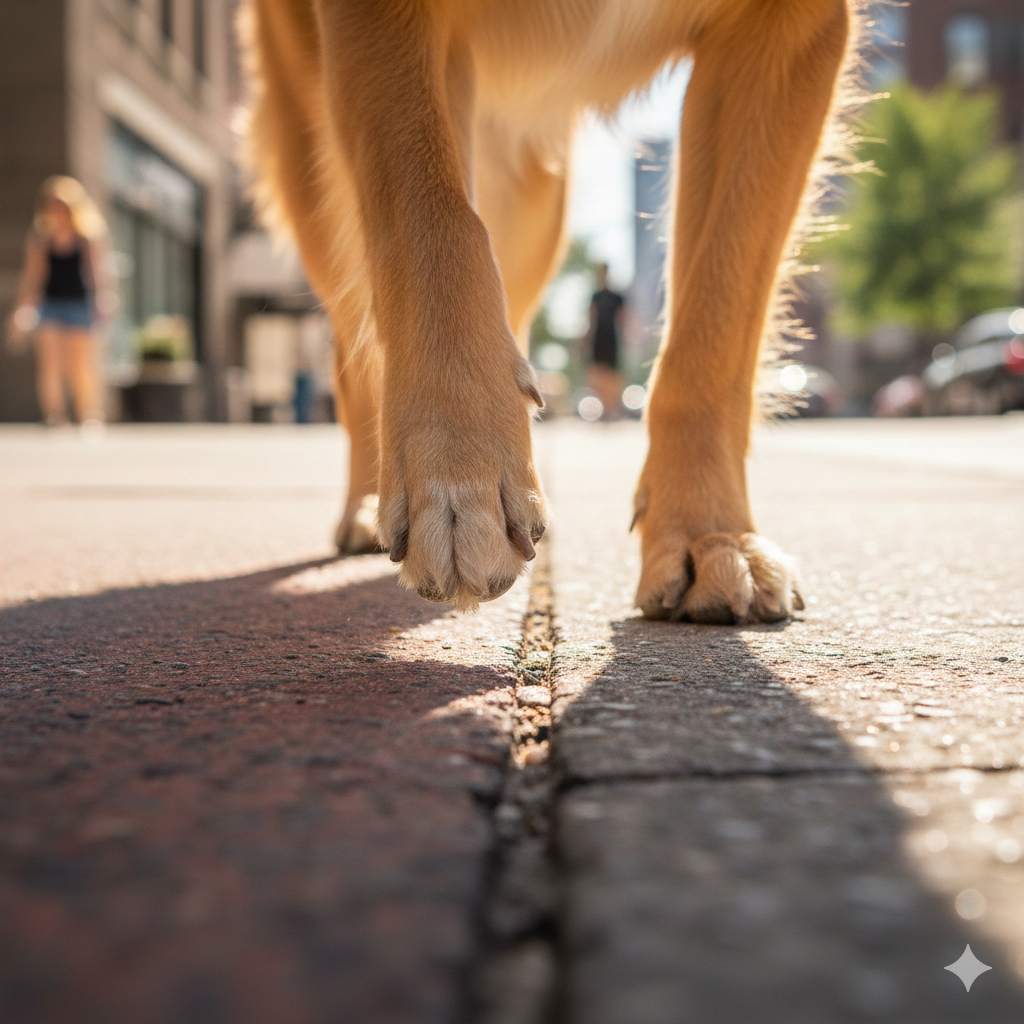
Walking a dog or letting a cat explore outdoor spaces is one of the most common and beneficial routines for pets. Daily walks help control weight, reduce anxiety, stimulate the mind, and strengthen the bond between animals and their owners. However, what many pet owners fail to realize is that this seemingly harmless habit can expose animals to invisible dangers, especially when it comes to their paws.
Veterinary professionals and animal welfare organizations have increasingly warned about the risks pets face when walking on urban surfaces. Hot pavement, chemical residues, rough materials, and extreme temperatures can cause injuries that often go unnoticed until they become severe. Unlike humans, pets cannot verbally express discomfort, and many will continue walking even when they are in pain.
This article explores why paw injuries are more common than people think, what environmental factors increase the risk, how to identify early warning signs, and what practical steps pet owners can take to keep their animals safe during daily walks.
Why Pet Paws Are More Sensitive Than They Appear
Pet paws are designed to handle natural terrain such as grass, soil, and sand. While paw pads are tougher than human skin, they are not invincible. In urban environments, pets are exposed to surfaces that their anatomy was never meant to endure.
Paw pads contain blood vessels and nerve endings that regulate temperature and provide sensory feedback. When exposed to extreme heat or cold, these tissues can suffer burns, cracks, or inflammation. Over time, repeated exposure weakens the skin barrier, making paws more vulnerable to infections.
Veterinarians emphasize that paw damage often develops gradually. Small abrasions, dryness, or micro-burns may seem harmless at first but can escalate into painful wounds if ignored.
Hot Pavement: The Most Common and Dangerous Threat
One of the most underestimated dangers for pets is hot pavement. Asphalt, concrete, and stone surfaces absorb heat rapidly and retain it for hours, even after the sun sets.
On a mild day with an air temperature of 25°C (77°F), pavement temperatures can exceed 50°C (122°F). At these levels, paw pads can suffer burns in less than a minute. In extreme heat, damage can occur in seconds.
Dogs are particularly at risk because walks are usually longer and more frequent. Cats that roam outdoors can also be affected, especially in urban areas where natural ground cover is limited.
The “Five-Second Test” Explained
Veterinarians often recommend placing the back of your hand on the pavement for five seconds. If it feels too hot to keep your hand there comfortably, it is too hot for your pet’s paws. While not a perfect measure, this simple test can prevent serious injuries.
Cold Weather and Hidden Winter Hazards
While heat gets more attention, cold weather presents its own risks. Snow, ice, and freezing temperatures can cause cracks, dryness, and frostbite on paw pads. Additionally, de-icing chemicals used on sidewalks and roads can irritate or burn the skin.
Many de-icers contain salts or chemical compounds that stick to paws and cause inflammation. Pets may lick their paws afterward, ingesting these substances and potentially developing gastrointestinal issues.
Winter injuries often appear as redness, limping, or excessive licking after walks. Without proper care, these minor irritations can turn into open sores or infections.
Chemical Residues and Urban Pollution
City sidewalks are exposed to oil spills, cleaning agents, pesticides, and other chemical residues. These substances may not be visible, but they can cling to paw pads and enter the body through the skin or mouth.
Repeated exposure to chemicals weakens the natural protective barrier of the paws. Over time, this increases the risk of allergic reactions, dermatitis, and chronic inflammation.
Veterinary dermatologists note that pets living in cities are more likely to develop paw-related skin conditions than those in rural areas, largely due to environmental pollution.
Rough Surfaces and Mechanical Injuries
Gravel, broken pavement, metal grates, and construction debris pose mechanical risks. Sharp edges can cause cuts, while uneven surfaces may lead to sprains or joint strain, especially in older pets.
Small injuries may go unnoticed at first, particularly if the animal has a high pain tolerance. However, untreated wounds can become infected, leading to swelling and mobility issues.
Signs Your Pet’s Paws May Be Injured
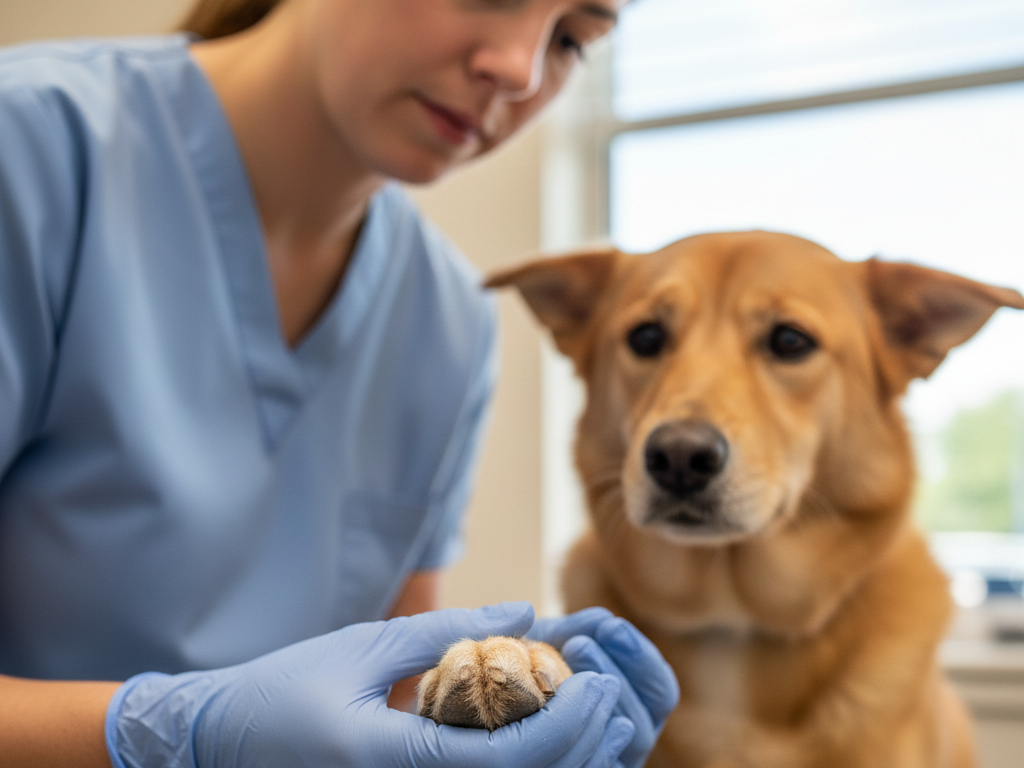
Pet owners should regularly inspect their animal’s paws, especially after walks. Early detection is crucial to preventing complications.
Common warning signs include:
- Limping or reluctance to walk
- Excessive licking or chewing of paws
- Redness, swelling, or visible cracks
- Blisters or darkened spots on paw pads
- Whining or behavioral changes after walks
Any of these signs warrant closer inspection and, if persistent, veterinary evaluation.
Preventive Measures Recommended by Veterinarians
Veterinary professionals stress that prevention is far easier and less costly than treatment. Simple adjustments to daily routines can dramatically reduce the risk of paw injuries.
Choose the Right Time for Walks
Walking early in the morning or later in the evening helps avoid extreme surface temperatures. During heat waves, reducing walk duration and frequency may be necessary.
Stick to Natural Surfaces
Whenever possible, walk pets on grass, dirt paths, or shaded areas. These surfaces remain cooler and are less abrasive than concrete or asphalt.
Clean Paws After Every Walk
Rinsing paws with clean water removes chemicals, dirt, and allergens. Drying them thoroughly helps prevent fungal infections.
Maintain Paw Health
Keeping paw pads moisturized with veterinarian-approved products helps prevent cracking and dryness. Trimming excess fur between pads reduces debris buildup.
Dogs vs. Cats: Different Risks, Same Responsibility
While dogs are more commonly affected due to frequent walks, cats face similar risks, especially those allowed outdoors. Cats may walk on rooftops, sidewalks, or heated surfaces without owners noticing.
Because cats tend to hide pain even more effectively than dogs, paw injuries can go undetected for longer periods. Regular inspection is just as important for feline companions.
When to Seek Veterinary Care
Minor irritation may resolve with rest and basic care, but certain symptoms require professional attention:
- Persistent limping lasting more than 24 hours
- Open wounds or bleeding
- Signs of infection such as pus or foul odor
- Sudden behavioral changes or refusal to walk
Prompt veterinary care can prevent complications and ensure faster recovery.
Long-Term Consequences of Ignoring Paw Injuries
Untreated paw injuries can lead to chronic pain, altered gait, and joint issues. Animals may compensate for pain by shifting weight, increasing stress on other limbs and joints.
In severe cases, infections can spread, requiring prolonged treatment or surgery. Preventive care not only protects pets’ health but also reduces long-term veterinary costs.
Frequently Asked Questions (FAQ)
Can pets build tolerance to hot pavement?
No. While paw pads may toughen slightly, they do not become resistant to extreme temperatures.
Are certain breeds more vulnerable?
Small breeds, senior pets, and animals with pre-existing skin conditions are generally more susceptible to paw injuries.
Is indoor exercise a good alternative?
Yes. On extreme weather days, indoor play and mental stimulation are safer alternatives.
Final Thoughts: Awareness Is the Best Protection
Daily walks should be a source of joy, not harm. Understanding the invisible dangers present in urban environments allows pet owners to make informed decisions that protect their animals’ health and comfort.
By adjusting routines, monitoring paws regularly, and responding quickly to warning signs, owners can ensure that walks remain a positive and safe experience. Veterinary experts agree that awareness and prevention are the most effective tools in safeguarding pets from avoidable injuries.