
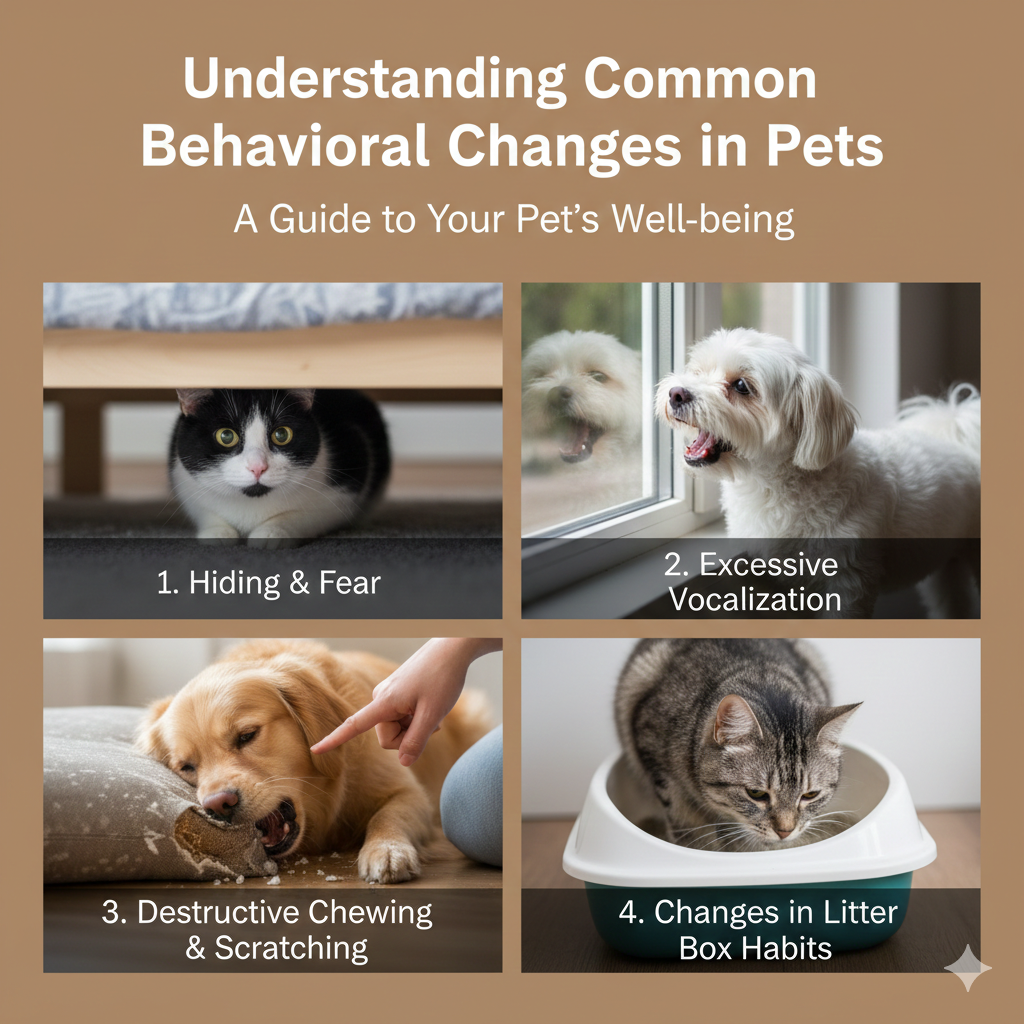
Behavioral changes in pets often indicate stress, discomfort, or underlying health problems. Sudden aggression, withdrawal, excessive vocalization, or changes in eating and sleeping habits should never be ignored, as they can be a signal that something is wrong.
Common Causes of Behavioral Changes
Specialists explain that several factors can trigger behavioral changes:
- Environmental Changes – Moving to a new home, rearranging furniture, or introducing new people or animals can stress pets. Even small changes in routine, like feeding times or walking schedules, can affect sensitive animals.
- Lack of Stimulation – Pets, especially dogs and cats, need both mental and physical stimulation. Without enough playtime, interactive toys, or walks, they may become bored, anxious, or destructive.
- Medical Issues – Pain, illness, or nutritional deficiencies can alter behavior. Aggression, sudden fear, or withdrawal may be signs of conditions such as arthritis, dental pain, urinary problems, or neurological issues.
How to Identify Patterns
Observing your pet closely helps identify the cause of behavior changes. Keep a daily log of unusual behaviors, note when they occur, and correlate them with environmental or physical changes. Recording patterns helps veterinarians or trainers pinpoint problems more effectively.
Solutions and Training
Positive reinforcement is one of the most effective ways to improve behavior. Rewarding desired behaviors, maintaining a consistent routine, and introducing gradual changes in the environment can significantly reduce stress and anxiety.
Behavioral enrichment, such as puzzle feeders, new toys, or training games, provides mental stimulation. In some cases, professional evaluation by a veterinarian or certified animal behaviorist may be necessary to address more serious issues.
The Importance of Understanding Behavior
Understanding your pet’s behavior is not only essential for their well-being but also for responsible ownership. By recognizing and responding to behavioral changes early, you can prevent more serious problems, strengthen the bond with your pet, and ensure a happier and healthier life for both of you.